Why Storing Shoes in Your Gym Bag Shortens Their Life
Quick Answer: Shoes sealed in a gym bag stay damp. A training shoe absorbs up to about 100ml of sweat in a hard session, and in a closed bag that moisture has nowhere to go - which breeds odor bacteria, degrades foam midsoles faster, and weakens adhesives. Shoes stored this way commonly last 20 to 30% fewer sessions than the identical pair aired out after each use. Take them out every time, loosen the laces, pull the insoles, and let them dry 24 hours in open air.
It is the single most expensive small habit in the whole gym routine, and the reason most people’s trainers smell before they wear out.
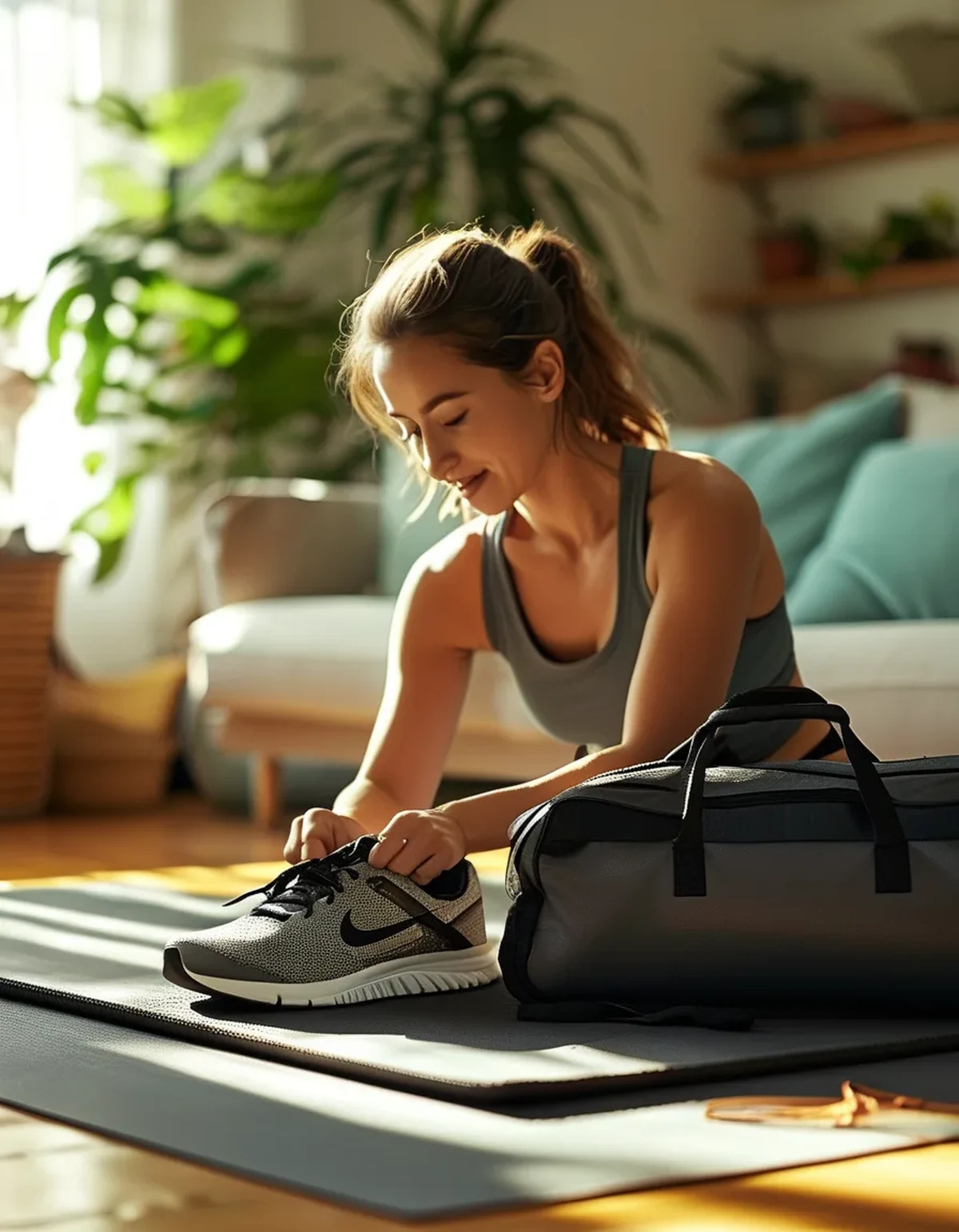
What actually happens to shoes inside a closed bag?
Three separate kinds of damage, all driven by trapped moisture.
Bacterial growth accelerates. Odor is a bacterial byproduct, and the bacteria need warmth, darkness, and moisture. A zipped bag supplies all three perfectly. This is why the smell arrives suddenly rather than gradually - the population grows exponentially once conditions are right.
Midsole foam degrades faster when wet. EVA and similar foams lose resilience over time through compression, and staying saturated accelerates the process. A midsole that stays damp between sessions compresses further and rebounds less, which means the cushioning is measurably flatter sooner.
Adhesives weaken. The bond between upper, midsole, and outsole relies on glue that does not enjoy prolonged damp. Sole separation - which usually starts at the toe or the heel edge - shows up years early on shoes that never dry.
The upper stretches and stays stretched. Wet mesh and knit fabrics hold whatever shape they dry in. Crammed against the side of a bag, the shoe dries into a distorted shape, and the fit gets sloppier over time.
And it contaminates everything else. Damp shoes raise humidity inside the whole bag, which is why the smell transfers to clothes, why the bag lining goes musty, and why the towel you thought was clean smells of feet by Wednesday.
How much does it really cost in shoe life?
More than most people expect, and it is easy to estimate.
Training shoes typically last 300 to 500 miles of running, or roughly 6 to 12 months of regular gym use, depending on the shoe and your bodyweight and volume.
Poor storage removes roughly 20 to 30% of that. Shoes that never fully dry lose midsole resilience faster and reach the point of flat, dead cushioning several weeks early. On a $130 pair replaced twice a year, that is real money for a habit that costs 15 seconds to change.
Odor usually ends the shoe before the foam does. Plenty of trainers get replaced not because they stopped working but because they became unbearable. Odor is almost entirely a storage problem, not a foot problem.
The insole is the first casualty. Foam insoles absorb the most sweat and dry the slowest. If your shoes smell within a few weeks, the insole is usually the source, and it is cheap and easy to replace.
And there is a hygiene cost. Persistently damp footwear is associated with fungal issues like athlete’s foot. Not guaranteed, but the environment is exactly the one that favors it - which is a good reason to treat drying as a health habit rather than a maintenance one.
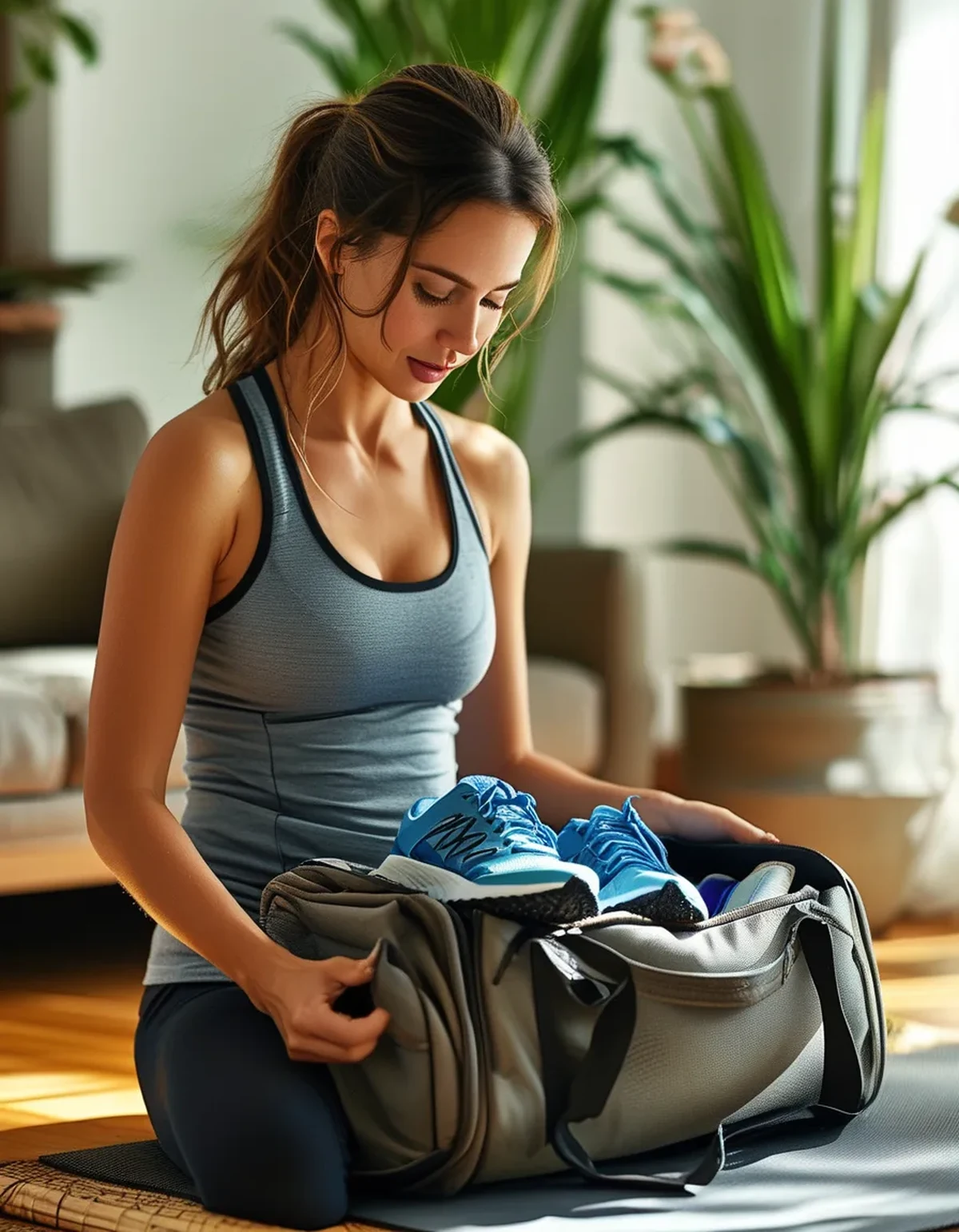
What Nobody Tells You About Drying Training Shoes
24 hours is the real drying time, not two. A soaked midsole and insole take a full day in normal indoor air. This is the strongest practical argument for rotating two pairs if you train most days - the second pair is not a luxury, it is what makes the drying window possible.
Pull the insoles out every time. This is the highest-value 5-second habit available. Removing the insole roughly halves drying time and lets the inside of the shoe breathe. Most people never do it.
Loosen the laces and open the tongue fully. Airflow through the shoe matters more than air around it. A shoe left laced dries from the outside in and stays damp exactly where the odor lives.
Newspaper works; direct heat does not. Crumpled paper inside the shoe wicks moisture effectively and can be swapped after a few hours. Radiators, hair dryers, and hot car dashboards warp midsoles and weaken glue - and a shoe dried on a radiator all winter often develops a subtly different fit.
Cedar shoe inserts genuinely help. They absorb moisture and have natural antimicrobial properties. A cheaper version is a sock filled with baking soda left in overnight, which handles odor if not moisture.
Do not put them in a plastic bag to contain the smell. It works for exactly one commute and then makes the problem permanently worse. A mesh bag or an open shoe compartment is what you want - the point is airflow, not containment.
And check the insole every couple of months. A compressed, hardened, discolored insole is a cheap fix that restores a surprising amount of comfort to a shoe you thought was finished.
What changes as the weather turns?
Autumn and winter storage is harder than summer storage, for reasons that are not obvious.
Drying times get longer indoors. Cooler indoor air holds less moisture in circulation, and homes get closed up. A shoe that dried overnight in August may need a full 24 hours in October.
Wet commutes add outside water. Rain-soaked shoes arriving into a bag that already contains sweat-soaked training shoes is the worst-case combination, and it is exactly what happens on autumn mornings.
Cars get cold and damp. Leaving a gym bag in the boot of a car through cold nights means shoes that never rise above ambient temperature and never dry. The car is the single worst storage location in every season - hot in summer, damp in winter.
Heating creates the temptation to dry shoes fast. Radiator drying is the classic autumn mistake. It shortens drying time and shortens shoe life at the same time; the foam does not recover from heat exposure.
Practical seasonal setup: a mesh or open-topped shoe area at home, away from a radiator but in a room that gets air; insoles out; a second pair if you train four or more times a week. That is the entire system, and it costs almost nothing.
FAQ: Gym Shoe Storage Questions, Answered
Can I put training shoes in the washing machine?
Some can, but it accelerates adhesive breakdown and foam degradation. If you do, use cold water on a gentle cycle in a mesh bag, remove insoles and laces first, and air dry only - never a tumble dryer.
How do I get the smell out of shoes that already stink?
Remove and replace the insoles first, since they hold most of it. Then a baking soda treatment overnight, a full 48-hour dry, and cedar inserts for maintenance. If the smell survives new insoles and a proper dry, the shoe has bacteria in the foam and is usually not worth saving.
Is a ventilated shoe compartment in a gym bag good enough?
Better than a sealed one, but not a substitute for taking them out. A vented compartment keeps the smell out of your clothes during a one-hour commute; it does not dry a soaked shoe.
Do I really need two pairs?
If you train four or more times a week, rotating pairs is the change that makes the biggest difference to total shoe cost - each pair gets a full drying and decompression window, and both last noticeably longer than a single pair used daily would.
TL;DR:
- A closed gym bag keeps shoes damp, which breeds odor bacteria, degrades midsole foam, and weakens adhesives.
- Poor storage commonly costs 20 to 30% of a shoe’s usable life, and odor usually retires shoes before the cushioning does.
- Every time: take them out, pull the insoles, loosen the laces, and give them 24 hours of open air.
- No radiators, no hot cars, no plastic bags. Rotate two pairs if you train four or more days a week.
What makes this worth fixing is the ratio: fifteen seconds of unpacking against tens of dollars per pair and a bag that stops smelling. As the weather turns and drying times stretch, the habit matters more, not less - and the people whose trainers last a full year are almost always the ones who never leave them in the bag.
See It in Motion
Seen here: High Waist Yoga Leggings with Side Pockets — shop it on bubblelime.com
Keep Reading
This article is for general informational and styling purposes only. Fit, sizing, and product availability may vary.