Why the Inside of Your Gym Bag Dies Years Before the Outside
Quick Answer: Most gym bag linings are a thin polyester or nylon with a polyurethane coating on the inside face. That coating is what makes the bag water-resistant, and it hydrolyses - it breaks down chemically in the presence of moisture and warmth, which is precisely the environment a gym bag lives in. It flakes, gets tacky, then peels. You slow it dramatically by drying the bag open after every session, never leaving damp kit inside, and keeping shoes and wet items in a separate sealed pouch.
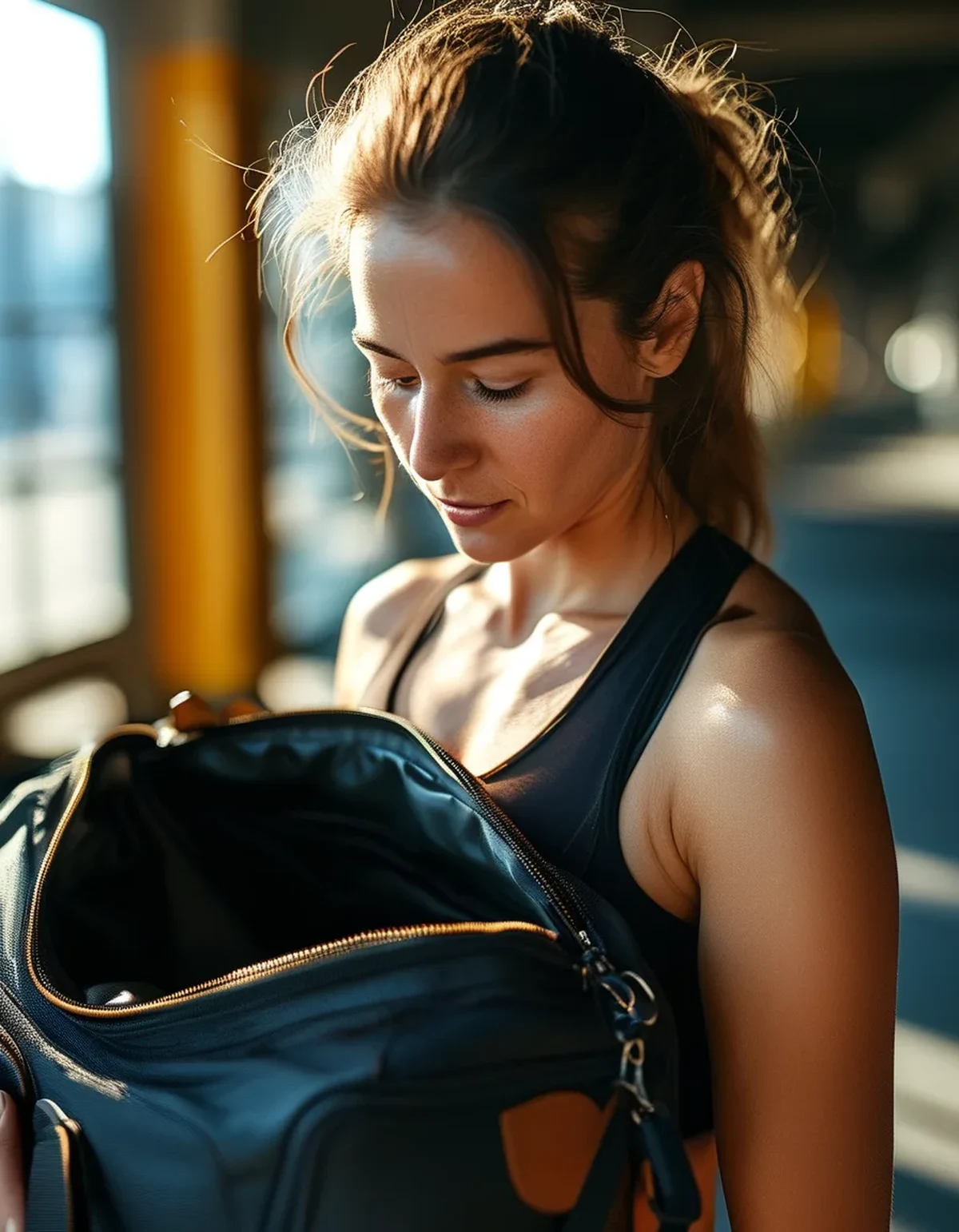
The outside of the bag still looks nearly new. You unzip it and the inside is shedding grey flakes onto your clean clothes.
That is not wear. It is a chemical reaction, and it has been running quietly for a couple of years.
What is that flaking layer and why does it break down?
It is a polyurethane coating, applied to the inner face of the lining fabric to block water. It is the cheapest effective way to make a bag water-resistant and it is nearly universal below premium price points.
Polyurethane hydrolyses. Water molecules break the polymer chains over time, and the reaction accelerates with heat and humidity. Every damp towel left inside overnight is measurable progress toward failure.
The tacky stage comes before the flaking stage. If the inside of your bag feels slightly sticky, the coating has already begun degrading - that is the point to change your habits, not after it starts shedding.
Heat is the accelerant people underestimate. A bag left in a car boot through summer experiences internal temperatures that dramatically speed the reaction. This is the single most damaging habit for bag linings.
Sweat is worse than plain water, because salt and skin oils add chemical stress on top of the moisture. A bag that has only ever carried dry items lasts far longer than the same model carrying wet kit twice a week.
And it fails from the inside out, which is why the exterior can look pristine while the lining disintegrates. The two layers are having entirely different lives.
What else destroys the inside faster than the outside?
Shoe grit acts as sandpaper. Small stones and dried mud in the tread abrade the coating with every movement of the bag, creating starting points where hydrolysis then works faster.
Aerosol deodorant and dry shampoo overspray leaves a residue that attracts dirt and, in some formulations, softens coatings. If you spray inside your bag or pack a leaking can, it lands on the most vulnerable layer you own.
Protein powder and supplement dust is hygroscopic - it pulls moisture out of the air and holds it against the lining. A small spill you never fully cleaned is a permanent damp spot.
Zip teeth and hardware chafe the lining at the seams, which is why the flaking usually starts near the zip line and the corners rather than in the middle of a panel.
Bottles that weep condensation create a consistently damp footprint in the same spot, and that spot is reliably the first to go tacky.
And washing the bag incorrectly finishes it off. Hot water and machine agitation accelerate hydrolysis and mechanically stress an already-weakened coating. A degraded lining often survives another year with careful hand cleaning and dies in a single hot wash.
How to actually make the inside last
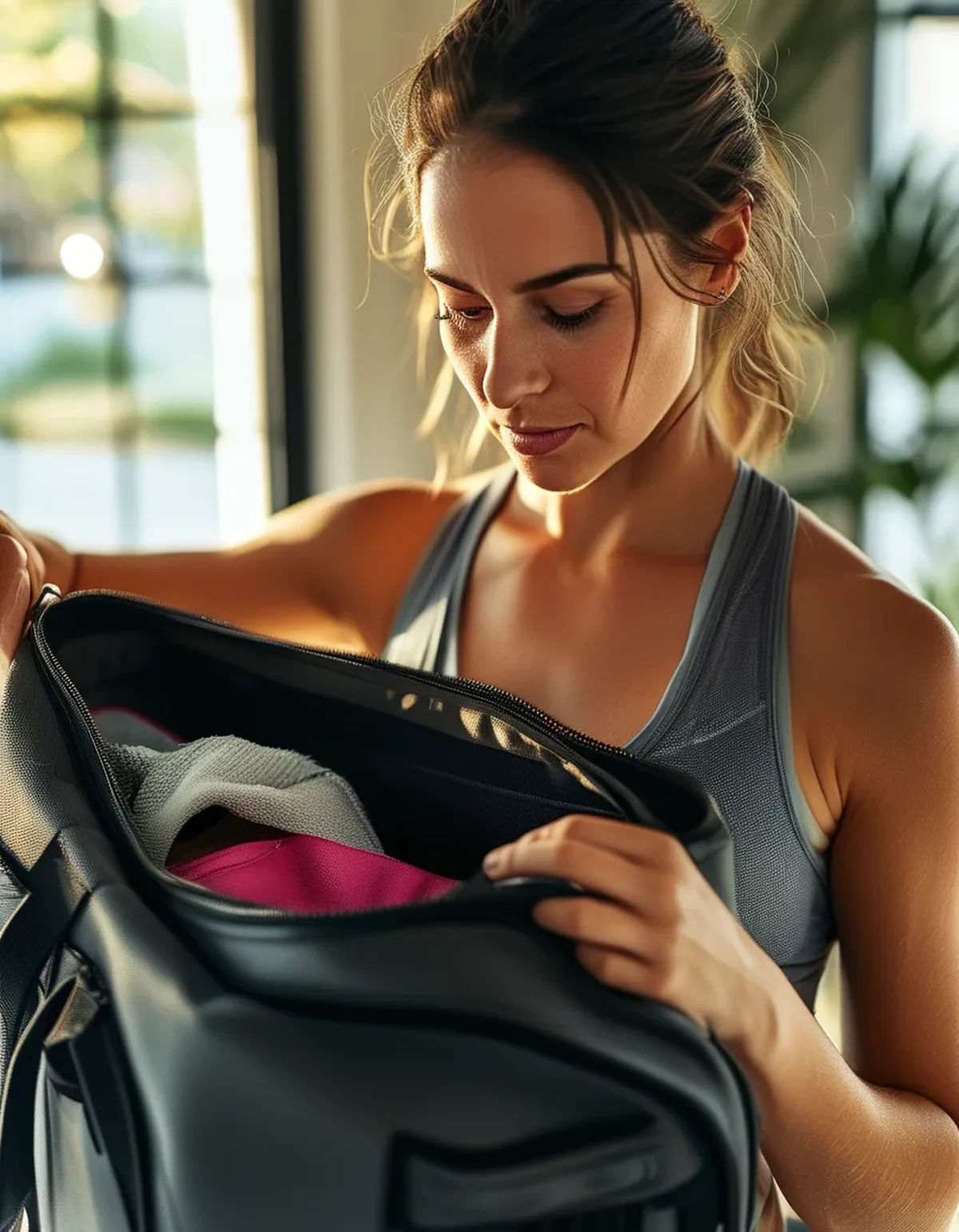
Dry it open after every session. Unzip fully, pull out any inner pockets, and let it air somewhere with circulation. This one habit does more than everything else combined, because it removes the moisture that drives the chemistry.
Never let damp kit sit in it overnight. Even one night is meaningful, and the habit of leaving a bag packed between sessions is the most common reason linings fail in two years rather than six.
Give shoes their own sealed bag, ideally a ventilated one inside a waterproof one. This isolates both the grit and the moisture from the main compartment.
Keep the bag out of hot cars. If it must live in a car, put it in the footwell rather than the boot and take it inside on hot days. Heat plus trapped humidity is the worst case for polyurethane.
Wipe spills immediately with a barely damp cloth, then dry. Supplement powder in particular should never be left to sit - it holds moisture against the coating indefinitely.
Hand clean only. Warm - not hot - water, mild soap, a soft cloth, then air dry fully open and away from direct heat. Machine washing a coated bag is usually the last thing that happens to it.
And once it has started flaking, line it rather than replacing it. A cheap dry bag or a large ziplock inside the main compartment stops the flakes reaching your clothes and buys a surprising amount of time on a bag whose exterior is still perfectly good.
What Nobody Tells You About Bag Linings
The price of the bag predicts the lining less than you would expect. Plenty of mid-priced bags use the same coated polyester as budget ones, with the money going into the outer fabric and hardware you can see.
Uncoated linings outlast coated ones for gym use, which is counterintuitive. You lose water resistance and gain years, because there is no coating to hydrolyse - and most people carry their bag indoors anyway.
Mesh pockets are a feature, not a compromise. A mesh divider allows airflow between compartments, and airflow is the enemy of the exact chemistry destroying your bag.
A bag that smells is usually a bag whose lining is degrading, because the tacky surface holds bacteria in a way an intact surface does not. Odour that returns immediately after cleaning is often a materials problem rather than a hygiene one.
Warranties rarely cover it. Lining degradation is typically classed as wear rather than defect, whereas the strap and zip you never break are the parts usually covered.
And most people replace the whole bag over this. A functioning exterior, working zips, and a sound strap get discarded because of a layer that costs almost nothing - which is why a dry bag insert is worth trying before you shop for a replacement.
FAQ: Gym Bag Linings, Answered
What are the grey flakes inside my gym bag?
A degraded polyurethane waterproof coating on the inner face of the lining. It hydrolyses in warm, damp conditions, going tacky first and then peeling.
Can I stop it once it starts?
You cannot reverse it, but you can slow it considerably by drying the bag open after every use and keeping it out of heat. Line the compartment with a dry bag to stop flakes reaching your clothes.
Why does the outside look fine?
The outer fabric is selected for abrasion and UV resistance and stays dry between sessions. The lining is thinner, cheaper, and spends its life against damp kit - two completely different service conditions.
Should I machine wash my gym bag?
No, if it has a coated lining. Hot water and agitation accelerate the breakdown. Hand clean with warm water and mild soap, then air dry fully open.
Does leaving the bag in the car really matter?
More than anything else on this list. Boot temperatures in summer dramatically accelerate hydrolysis, and the bag is usually sealed and humid at the same time.
Is an uncoated or mesh-heavy bag actually better?
For gym use, generally yes. You trade water resistance you rarely need for airflow and the absence of a coating that can fail - which is the usual reason a bag gets replaced.
TL;DR:
- The flaking is a polyurethane waterproof coating hydrolysing - a chemical breakdown driven by moisture and heat.
- Damp kit left inside overnight and hot car storage are the two habits that cut lining life the most.
- Shoe grit, aerosol overspray, and supplement dust all attack the same vulnerable layer.
- Dry the bag open after every session, isolate shoes in a sealed pouch, and hand clean only.
- A dry bag insert saves a bag whose exterior, zips, and strap are all still sound.
The cheapest layer in the bag is the one that decides how long you keep it.
See It in Motion
Keep Reading
This article is for general informational and styling purposes only. Fit, sizing, and product availability may vary.