What Size Gym Bag Do You Actually Need? A Practical Sizing Guide
Quick Answer: For a typical gym session (clothes, shoes, toiletry kit, water bottle), a 20-30 liter bag is the practical sweet spot. Go smaller (15-20L) for gym-only, no-shower trips; go larger (35L+) if you regularly pack for a shower-and-change routine or add a yoga mat or extra layers.
Gym bag sizing gets treated as a style choice, but it’s really a math problem — what you actually pack, not what looks good on a shelf, should decide the liter count.
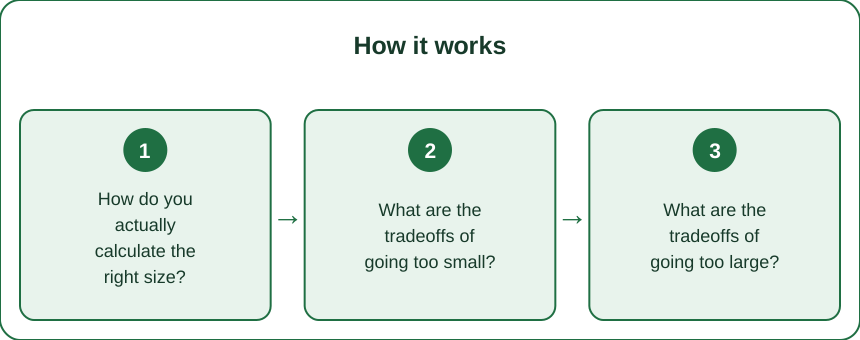
How do you actually calculate the right size?
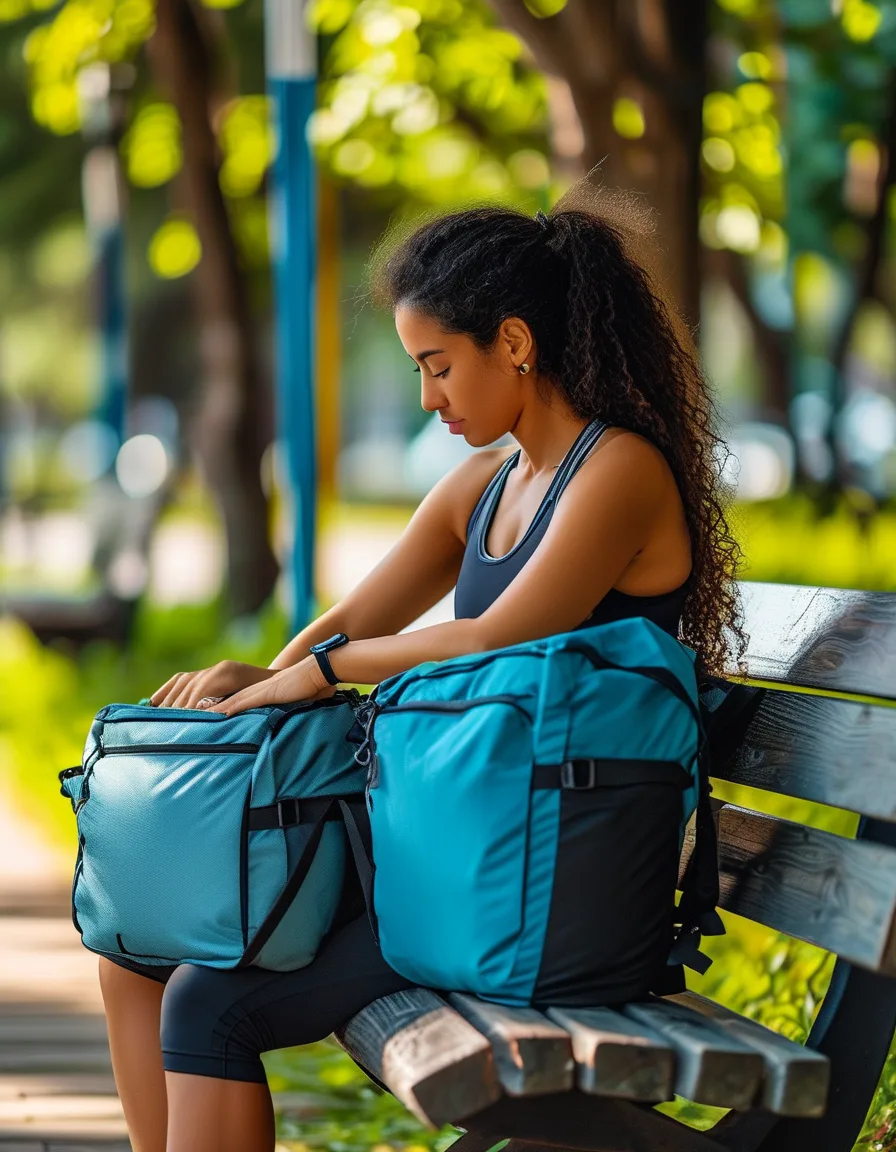
Lay out everything you typically pack for a single session — a change of clothes, shoes, a toiletry or shower kit, a water bottle, maybe a lock and a small towel — and estimate rough volume. Most single-session kits land in the 20-30 liter range, which is why that’s the most common ‘gym bag’ size sold.
If you regularly add bulkier items (a yoga mat, a change of both workout and post-workout clothes, a laptop for a work-then-gym day), size up to 35-40 liters rather than forcing a smaller bag closed.
What are the tradeoffs of going too small?
A too-small bag means items get compressed and wrinkled, shoes often don’t fit inside cleanly (forcing an external strap or separate bag), and zippers under constant strain wear out faster. It also makes packing slower, since there’s no organizational room — everything gets crammed rather than placed.
What are the tradeoffs of going too large?
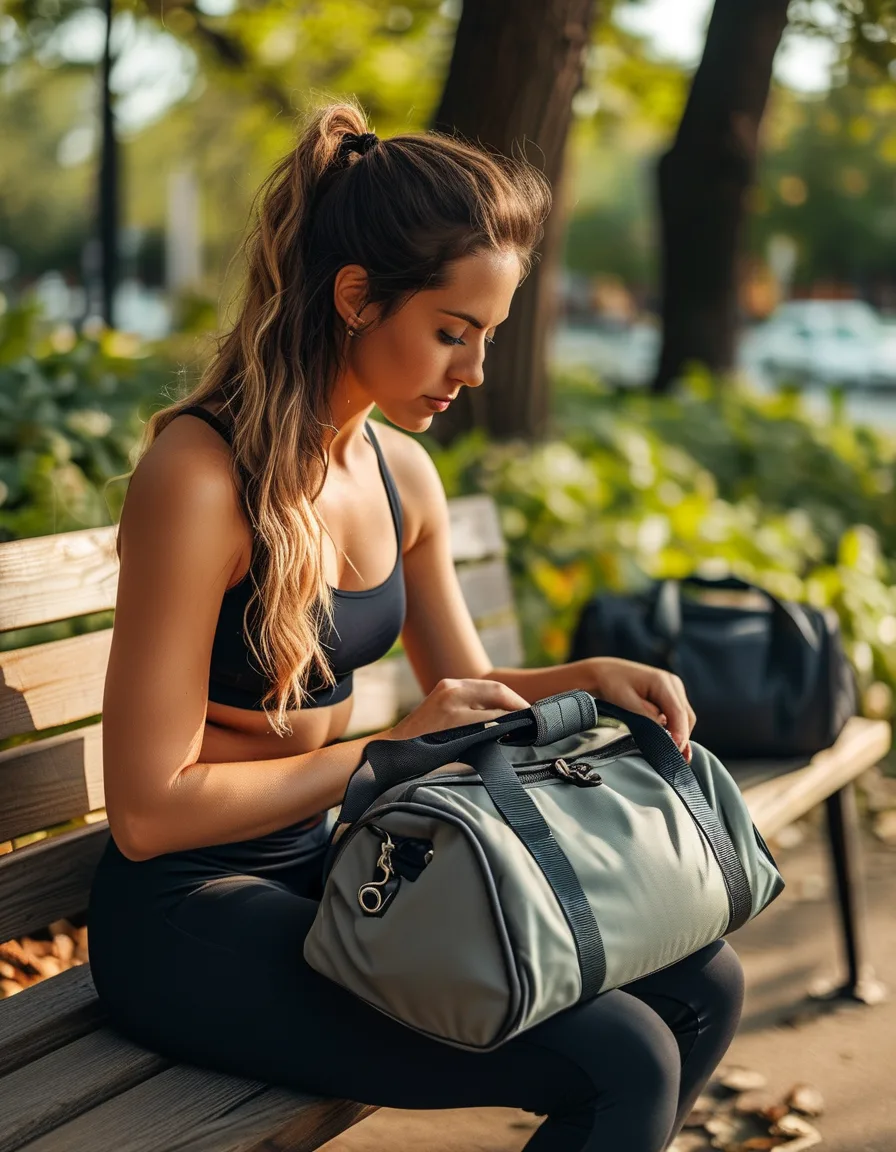
An oversized bag for your actual needs means items shift and settle during transport, making things harder to find, and you’re carrying unnecessary bulk and weight on days you pack light. A bag with more structure and compartments than you need also tends to cost more without adding real functional benefit for your actual routine.
Does bag size need to change for different workout types?
Yes, somewhat — a quick gym-only session (no shower, minimal gear) can comfortably use a 15-20L bag, while a gym-plus-shower routine or activities requiring extra gear (swimming, yoga, team sports with equipment) typically need the 30-40L range to fit everything without forcing zippers.
FAQ: Gym Bag Sizing, Answered
Is it better to size up or down if I’m unsure?
Slightly up — a partially full larger bag is more comfortable and better for the bag’s longevity than a consistently overstuffed smaller one.
Do gym bag liter sizes really vary that much between brands?
Somewhat — always check actual listed dimensions and liter capacity rather than relying on a brand’s ‘small/medium/large’ labeling alone.
Should I get a separate shoe compartment bag instead of sizing up?
A dedicated shoe compartment (built into many mid-size bags) is often a better solution than simply buying a bigger bag, since it isolates dirty shoes without needing extra overall volume.
TL;DR:
- Lay out your actual typical gear and estimate volume rather than guessing on size
- 20-30L covers most single-session routines; 35-40L if you add a mat, shower kit, or work gear
- Too small means crammed, wrinkled gear and strained zippers
- Too large means shifting contents and unnecessary bulk on lighter-pack days
Measure what you actually pack once, and size your next bag to that reality instead of guessing from the shelf.
See It in Motion
Seen here: High Waist Jogger Sweatpants with Pockets — shop it on bubblelime.com
Keep Reading
This article is for general informational and styling purposes only. Fit, sizing, and product availability may vary.