What Changes in Your Gym Bag When the Weather Turns
Quick Answer: Three additions matter: a second layer for the journey home, a proper microfibre towel for wet hair and wet kit, and a waterproof or separate compartment for damp items. Two summer habits become problems: leaving sweaty kit in the bag overnight, which is far worse when the bag lives in a warm car or hallway, and a light single layer that is inadequate for a cold walk home after training.
You packed the same bag all summer and it worked. Now you are getting home cold, your kit smells worse than it used to, and your wet towel has soaked everything it touched.
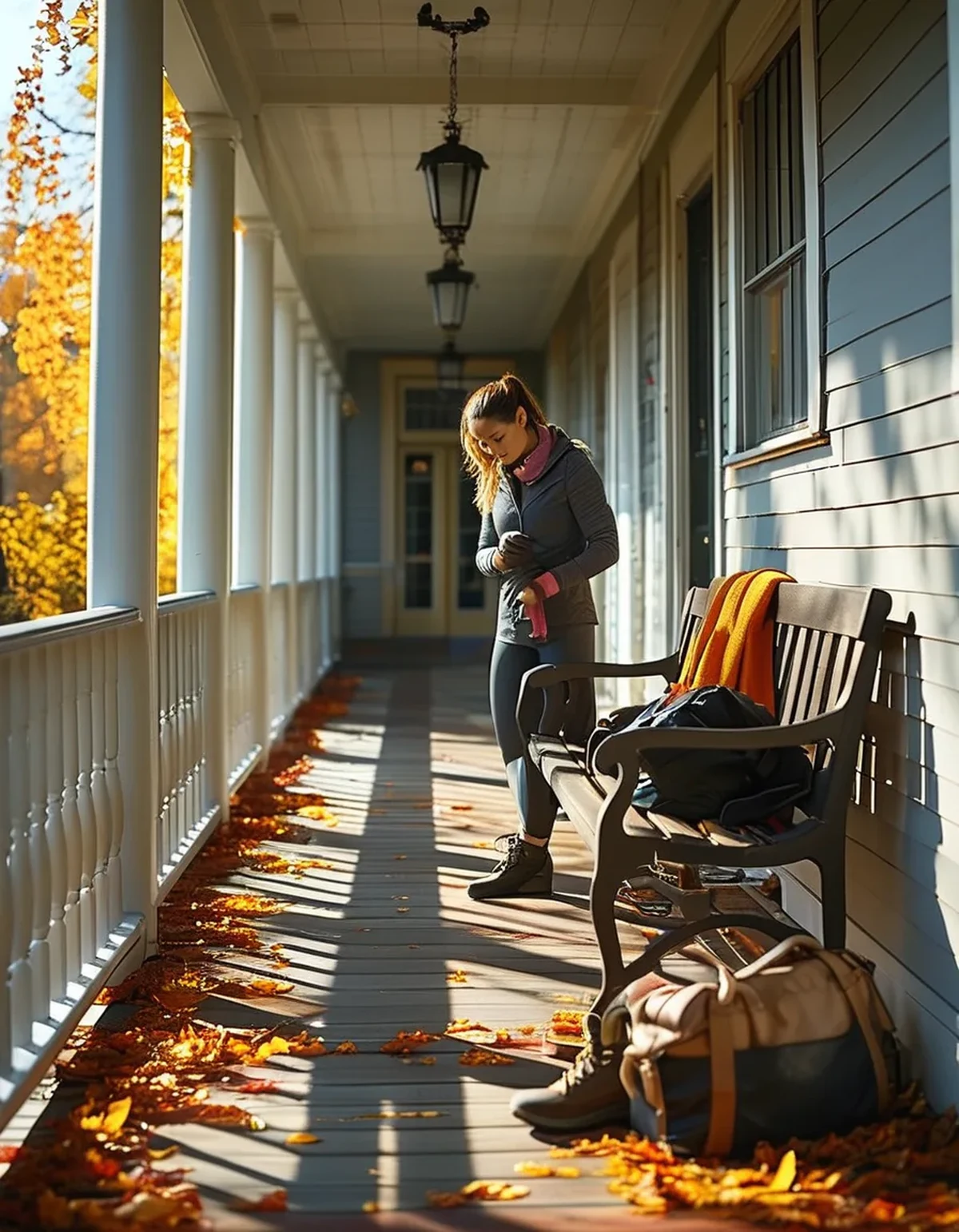
Why does the same bag stop working in autumn?
Because the journey either side of the workout changed, and moisture management got harder.
The journey home is now the problem. In summer, walking out warm and slightly damp is fine. In 8°C with wind, a cooling body in damp clothing loses heat fast, and that is genuinely unpleasant and can make you feel unwell for the rest of the evening.
Wet things stay wet. Kit that dried in the bag on a summer afternoon stays damp for days in autumn, and damp fabric in a closed bag is what produces the smell people associate with gym bags.
The smell is a moisture problem, not a hygiene problem. Bacteria on damp synthetic fabric produce the characteristic odour, and synthetic performance fabrics hold onto the compounds involved more stubbornly than cotton. Warmth accelerates it, and a bag left in a heated hallway or a car is warm.
Rain enters the equation. Autumn means arriving with a wet jacket that then lives in the bag with everything else, and it means kit getting wet on the way rather than only during training.
Hair takes far longer to dry, so a towel that got squeezed out and hung up in summer is now carrying real water home with it.
And you need more layers generally, which means the bag either gets bigger or gets better organised. Most people discover this by cramming and then wondering why everything is creased and damp.
What should be in the autumn bag?
Six things beyond your actual training kit.
1. A dry layer for after. A long-sleeve top or a light fleece that stays in the bag and only gets worn for the journey home. Changing out of a damp training top into something dry before going outside is the single biggest comfort improvement available, and it takes thirty seconds.
2. A microfibre towel. Absorbs substantially more than a standard towel, dries far faster, and packs smaller. For wet hair in autumn it is the difference between damp and dry before you leave.
3. A wet bag or waterproof pouch. Something to isolate damp kit and a wet towel from everything else. A dry bag, a waterproof pouch, or at minimum a strong plastic bag. This one item solves most of the smell problem, because it stops moisture spreading through the whole bag.
4. A hat and thin gloves. Small, weightless, and the difference between a tolerable walk home and a miserable one, particularly with damp hair.
5. A proper water bottle you actually use. Thirst cues drop in cold weather and people drink less, which affects both training and recovery. A visible bottle prompts drinking; a bottle at the bottom of the bag does not.
6. A small emergency kit. Spare hair tie, plasters, a spare pair of socks, and a small deodorant. Socks are the autumn addition - wet feet from rain on the way in ruin a session and a day.
What to take out: anything that has been in there since summer without being used, which for most people is a surprising amount of weight.
And a note on shoes. If you walk or cycle in wet weather, training shoes carried in the bag rather than worn is the difference between dry feet and a session in wet shoes. Bag them separately.
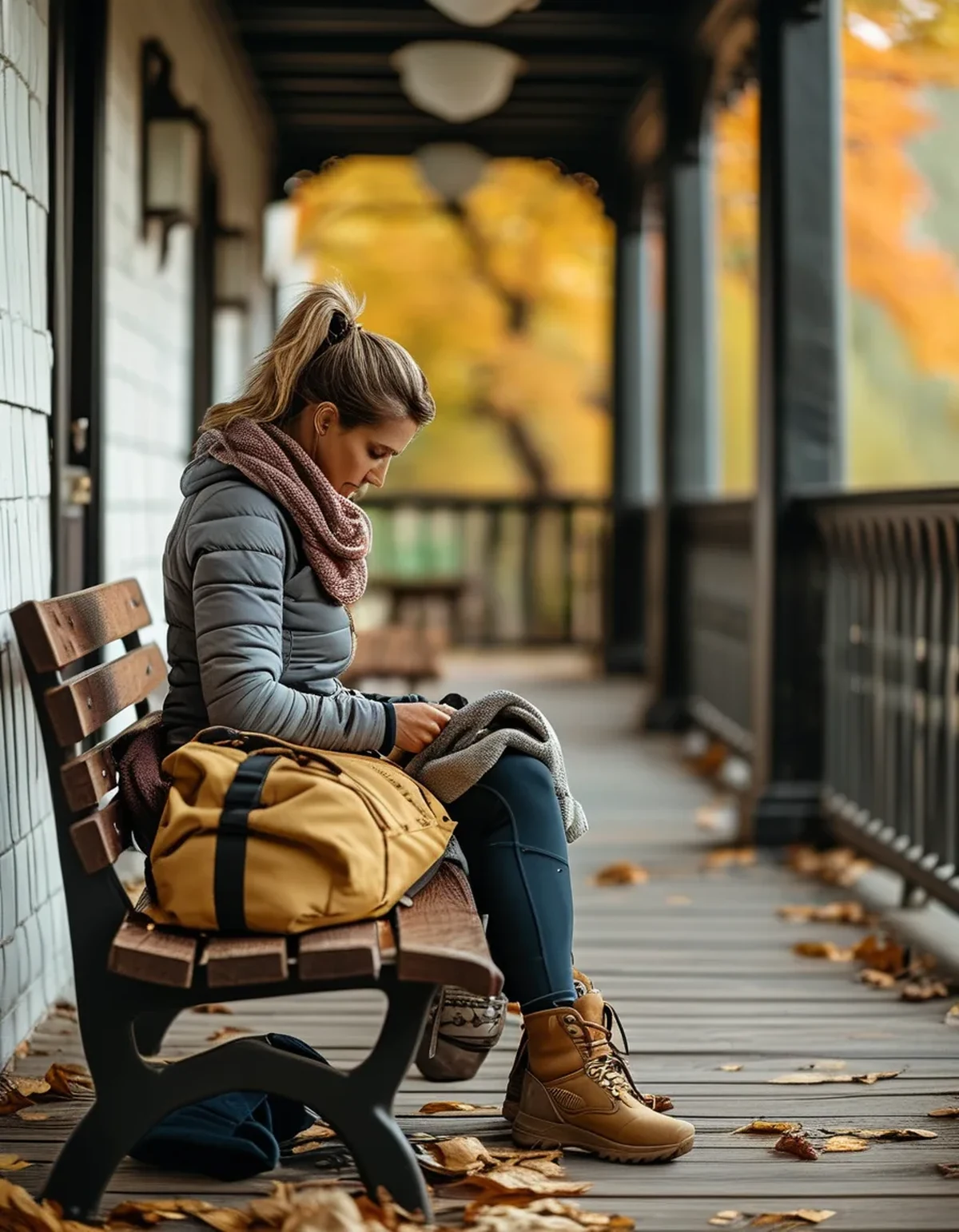
5 Mistakes That Make Your Gym Bag Smell
1. Leaving damp kit in the bag overnight. The single biggest cause, and worse in autumn because the bag now lives somewhere warm - a heated hallway, a car, under a desk. Empty the bag every time, even if you do not wash the kit immediately. Hang things up rather than piling them.
2. Zipping the bag closed while it dries. A closed bag traps moisture and stays humid for days. Leave it open, ideally somewhere with airflow, between uses.
3. Using fabric softener on training kit. Softener coats synthetic fibres and reduces their ability to release the compounds causing odour - and it reduces moisture-wicking performance at the same time. Skip it entirely on technical fabrics.
4. Washing at too low a temperature with too much detergent. Excess detergent leaves residue that traps odour compounds, and very cool washes may not remove them adequately. Use the amount specified, and consider an occasional wash with a sports-specific detergent designed to break down the residues involved.
5. Never washing the bag itself. The bag accumulates everything the kit had on it. Most fabric bags can be machine washed or at minimum wiped out and left to dry, and it makes an obvious difference.
And the one that works when nothing else has: a soak in a solution of white vinegar and water before washing breaks down accumulated residues in synthetic kit that ordinary washing has stopped touching. It is a periodic reset rather than a routine step.
How to organise it so it survives the season
The organising principle is separation - wet from dry, clean from used.
Compartments matter more in autumn than in summer. A bag with a separate shoe compartment and a wet pocket is genuinely more useful now, and it is the one time of year it is worth having the right bag rather than any bag.
Pack in the order you will need things. Post-shower items on top, training kit below, journey-home layer accessible without unpacking. Standing in a cold changing room emptying a bag onto a bench is how things get left behind.
Keep a permanent core and a variable top layer. Towel, wet bag, emergency kit, and hat live in the bag permanently. Kit and shoes get swapped each time. This means the only decision each session is what to train in.
Bag your shoes. Wet or muddy shoes in a shared compartment with clean clothing is a problem that compounds all season.
Have a drying spot at home. A hook or rail where kit goes immediately on arrival. The habit is what prevents everything else here, and it takes ten seconds if the spot exists and never happens if it does not.
Reset the bag weekly. Empty it completely once a week, air it, and repack. This catches the forgotten damp item that is quietly ruining everything else.
And size up slightly for autumn. A bag that was adequate for summer kit is cramped once you add a fleece, a hat, and a wet bag - and cramming is what leaves things damp and creased. Many people run a smaller summer bag and a larger winter one, which sounds excessive until the first week of October.
FAQ: Gym Bag Questions, Answered
What should I add to my gym bag for autumn?
A dry layer for the journey home, a microfibre towel, a waterproof pouch for damp kit, a hat and thin gloves, and a spare pair of socks. The dry layer and the wet bag do most of the work - one for comfort, one for stopping moisture spreading through everything else.
Why does my gym kit smell worse in winter?
Because damp kit stays damp longer and the bag now lives somewhere warm - a heated hallway, a car, under a desk. Odour comes from bacteria on damp synthetic fabric, and warmth plus enclosure accelerates it. Emptying the bag every time and leaving it open to air resolves most of it.
How do I get the smell out of technical fabrics?
Skip fabric softener entirely, use the specified amount of detergent rather than more, and periodically soak in a white vinegar solution before washing to break down accumulated residues. Sports-specific detergents are formulated for exactly this and are worth trying if normal washing has stopped working.
Should I change in a dry top before going home?
Yes, and it is the most noticeable comfort improvement in autumn training. A cooling body in damp clothing loses heat quickly in cold air, and a dry long-sleeve layer that lives permanently in the bag takes thirty seconds to put on.
How often should I wash my gym bag?
Wipe it out weekly and machine wash it, if the fabric allows, every few weeks. It accumulates everything the kit brought in, and a clean bag makes a clearly noticeable difference to how kit smells between uses.
TL;DR:
- Add a dry layer for the journey, a microfibre towel, a wet bag, a hat, gloves, and spare socks.
- The wet bag is the highest-value item - it stops one damp towel contaminating everything else.
- Smell is a moisture problem: empty the bag every time and leave it open to air.
- No fabric softener on technical kit, correct detergent dose, and a vinegar soak when it gets stubborn.
- Reset the bag weekly and bag your shoes separately.
The summer bag worked because summer dried everything for you. In October, you have to do that job yourself.
See It in Motion
Seen here: Crewneck Short Sleeve Workout T-Shirt — shop it on bubblelime.com
Keep Reading
This article is for general informational and styling purposes only. Fit, sizing, and product availability may vary.