Ventilated vs. Non-Ventilated Gym Bag Compartments: Which One Actually Matters
Quick Answer: Ventilated (mesh or perforated) compartments are specifically for wet, sweaty items — worn workout clothes, damp shoes, a used towel — since airflow prevents the trapped moisture that causes odor and mildew, while sealed, non-ventilated compartments are better for dry items like electronics, wallets, or a change of clean clothes that don’t need airflow and benefit from being protected from any moisture elsewhere in the bag.
Most “gym bag always smells” complaints trace back to wet items sitting in a sealed pocket rather than a ventilated one, not a fundamentally bad bag.
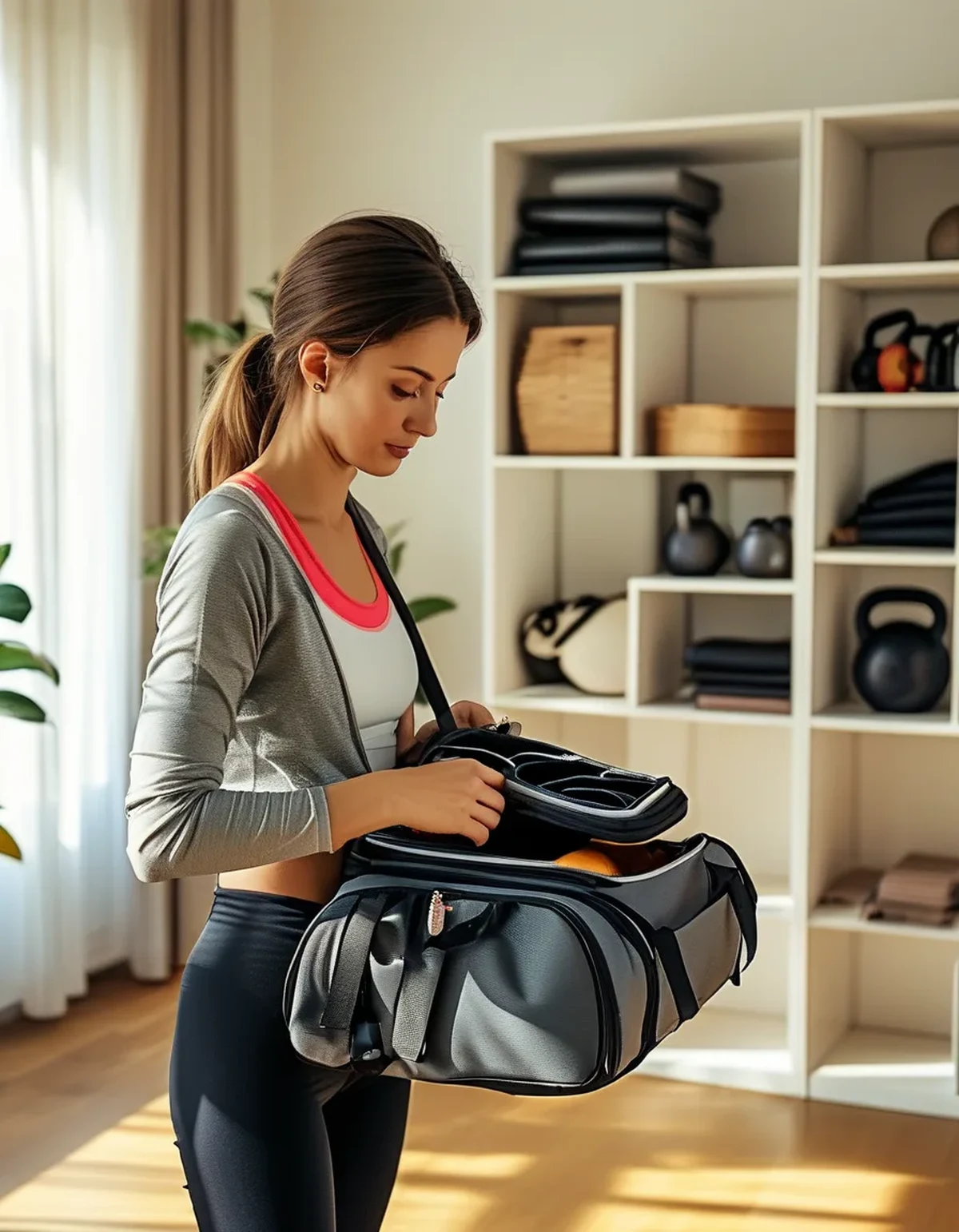
Why does a sealed compartment make odor worse instead of just containing it?
A sealed pocket traps both moisture and warmth, creating close to ideal conditions for the bacteria that cause odor to multiply. Airflow in a mesh compartment lets moisture evaporate rather than sit, which is the actual mechanism that reduces smell — it’s not about hiding the smell, it’s about removing the conditions that create it in the first place.
Does it matter whether shoes go in a ventilated or sealed compartment?
Shoes specifically benefit from ventilation more than almost any other gym bag item, since shoe interiors trap sweat and stay damp longer than fabric clothing does. A dedicated ventilated shoe compartment (increasingly standard on mid-range and higher gym bags) meaningfully reduces the classic “gym bag shoe smell” compared to shoes tossed into a sealed main compartment.
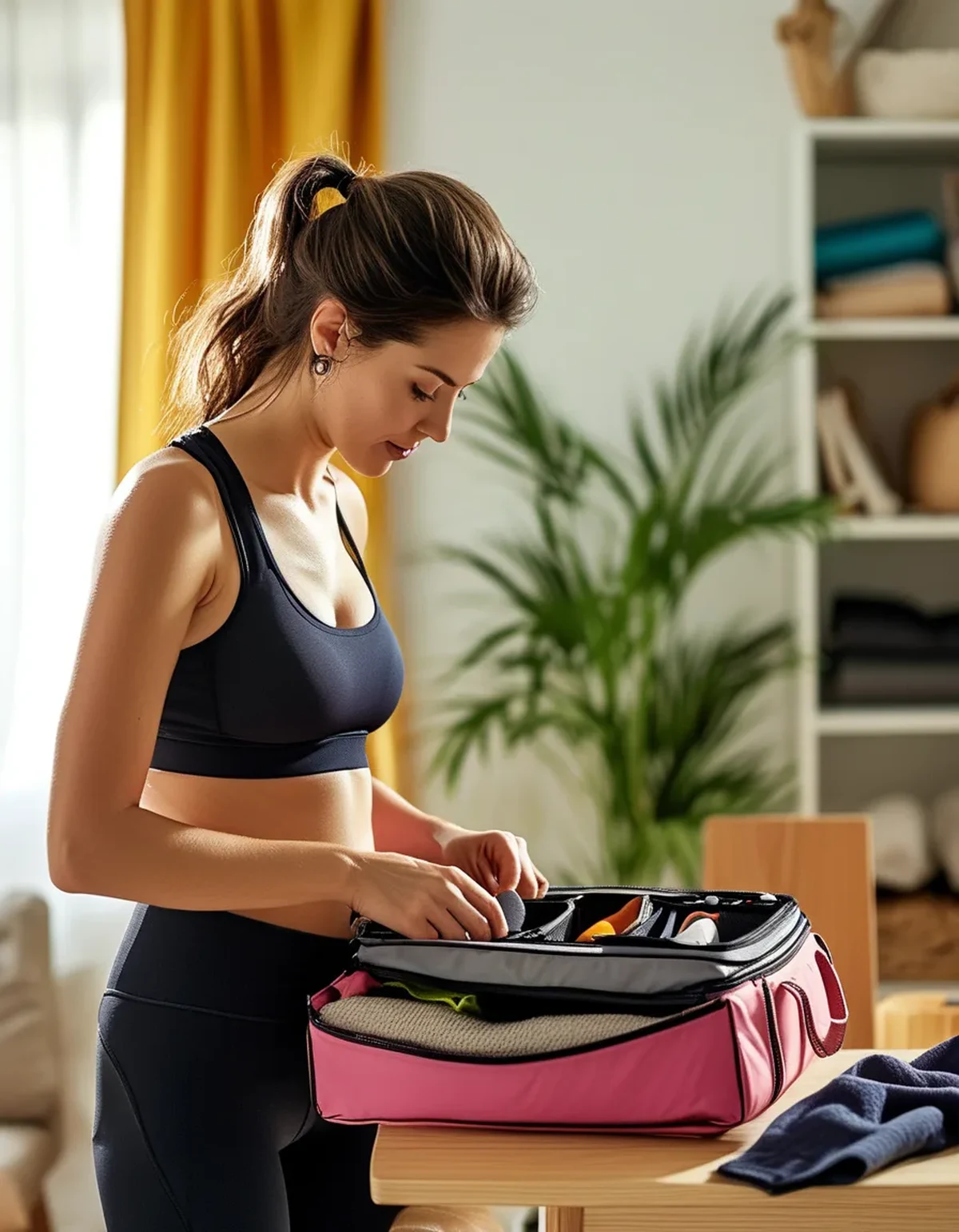
Is a fully ventilated bag (mesh everywhere) actually better than a mixed design?
Not necessarily — a fully mesh bag offers no protection for electronics, wallets, or anything that shouldn’t get incidentally damp from a leaking water bottle or a still-wet towel touching it. A mixed design, with ventilated sections for wet gear and sealed sections for dry or valuable items, generally serves real gym use better than an all-or-nothing approach.
FAQ: Gym Bag Compartment Questions, Answered
Can a wet swimsuit go in the same ventilated pocket as sweaty workout clothes?
Yes, generally — both benefit from the same airflow, though a separate ventilated pocket for each avoids cross-contamination of chlorine smell into gym clothes if that’s a specific concern.
Do ventilated compartments work without regular washing, or do they just delay the smell?
Ventilation reduces how fast odor builds up, but it doesn’t replace washing — a ventilated compartment with items left in it for days will still eventually smell, just more slowly than a sealed one would.
Is it worth buying a new bag just for better ventilation, or can an old bag be modified?
Before replacing a bag, emptying it fully after every gym visit and using a separate mesh laundry bag inside a sealed compartment can approximate the airflow benefit without buying new gear.
TL;DR:
- Ventilated compartments are for wet, sweaty items — clothes, towels, shoes
- Sealed compartments protect dry items like electronics and wallets from moisture
- Shoes benefit from dedicated ventilation more than almost any other item
- A mixed-design bag generally beats an all-mesh or all-sealed approach
Matching what goes where in your bag solves more odor problems than buying an entirely new one.
See It in Motion
Seen here: Racerback Tank Top - White — shop similar styles on bubblelime.com
Keep Reading
This article is for general informational and styling purposes only. Fit, sizing, and product availability may vary.