Why Some Gym Bag Fabrics Hold Onto Odor No Matter How Often You Wash Them
Quick Answer: Dense synthetic fabrics with tight weaves (some nylons, PVC-coated materials) trap odor-causing bacteria deep in the fiber structure where washing struggles to fully reach, while more breathable, looser-weave fabrics and bags with dedicated ventilation let odor dissipate rather than accumulating in the first place.
A bag that seems fine for months and then develops a smell that survives repeated washing usually points to the material itself having absorbed bacteria into a structure that’s hard to fully clean, not a one-time contamination event.
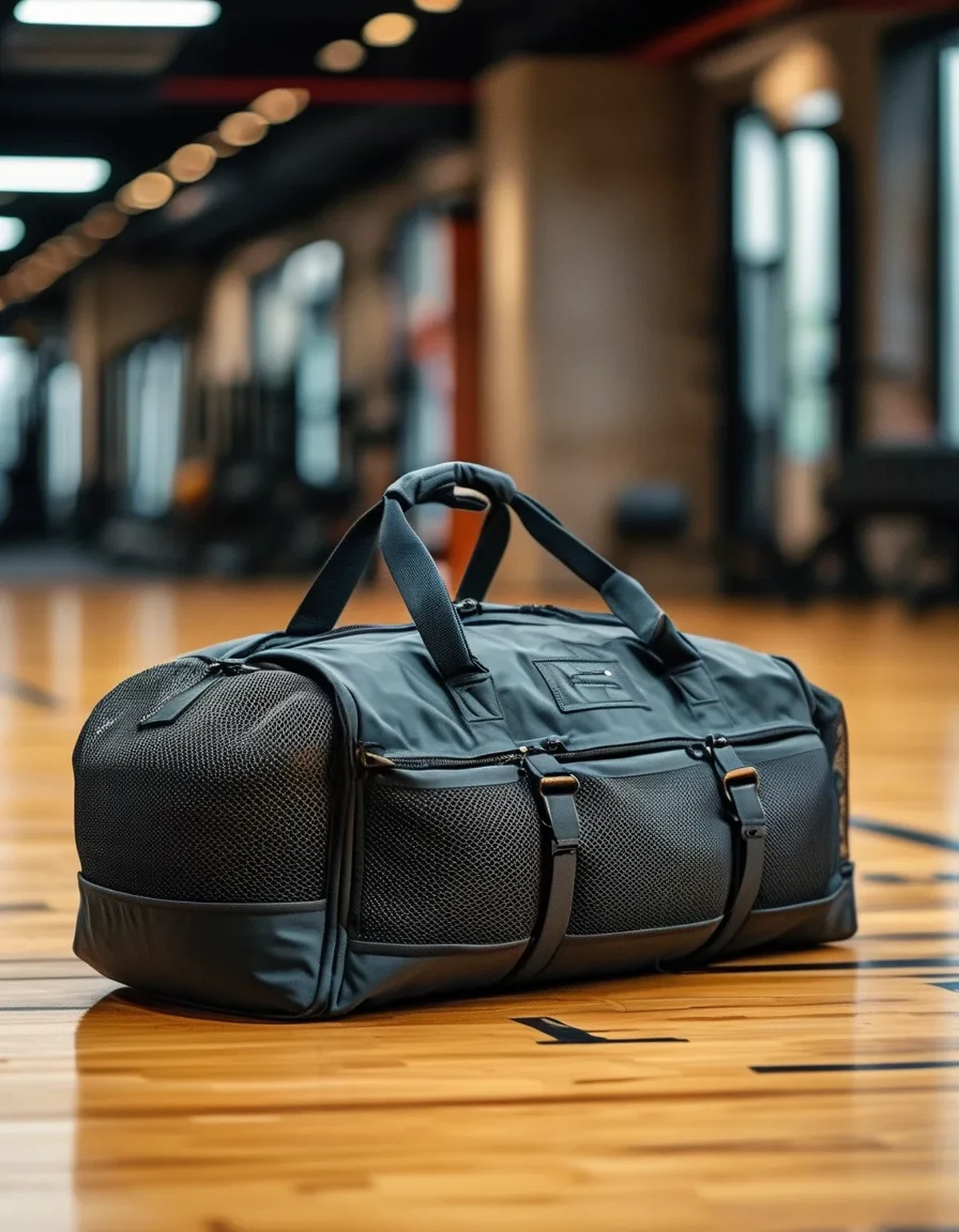
Why do certain fabrics trap odor more permanently than others?
Odor comes primarily from bacteria metabolizing sweat and skin oils left on fabric or gear, and densely woven synthetic fabrics create microscopic pockets where bacteria can embed deeper than a normal wash cycle reaches, especially once biofilm-like buildup accumulates over repeated exposure without full cleaning. Looser-weave or more breathable fabrics don’t trap moisture and bacteria as deeply in the first place, so odor has less opportunity to establish before it can wash out or air out.
This is similar to why some synthetic workout clothing (compared to natural fibers) is notoriously hard to fully de-odorize even with regular washing — the underlying fiber structure issue is the same.
What actually helps once a bag already has embedded odor?
- A longer soak (30+ minutes) in a mix of water and enzyme-based odor eliminator before a regular wash cycle gives cleaning agents more time to break down embedded bacterial buildup than a quick wash alone
- Sun exposure — UV light has a genuine antibacterial effect and can meaningfully reduce odor in fabric that’s been washed but still smells musty
- Baking soda left inside the empty, dry bag for 24-48 hours absorbs some residual odor, particularly useful for interior lining that’s harder to fully wash
- Accepting that some fabrics may need more aggressive treatment repeated 2-3 times rather than expecting one wash to fully resolve deeply embedded odor
What Nobody Tells You About Bag Ventilation Design
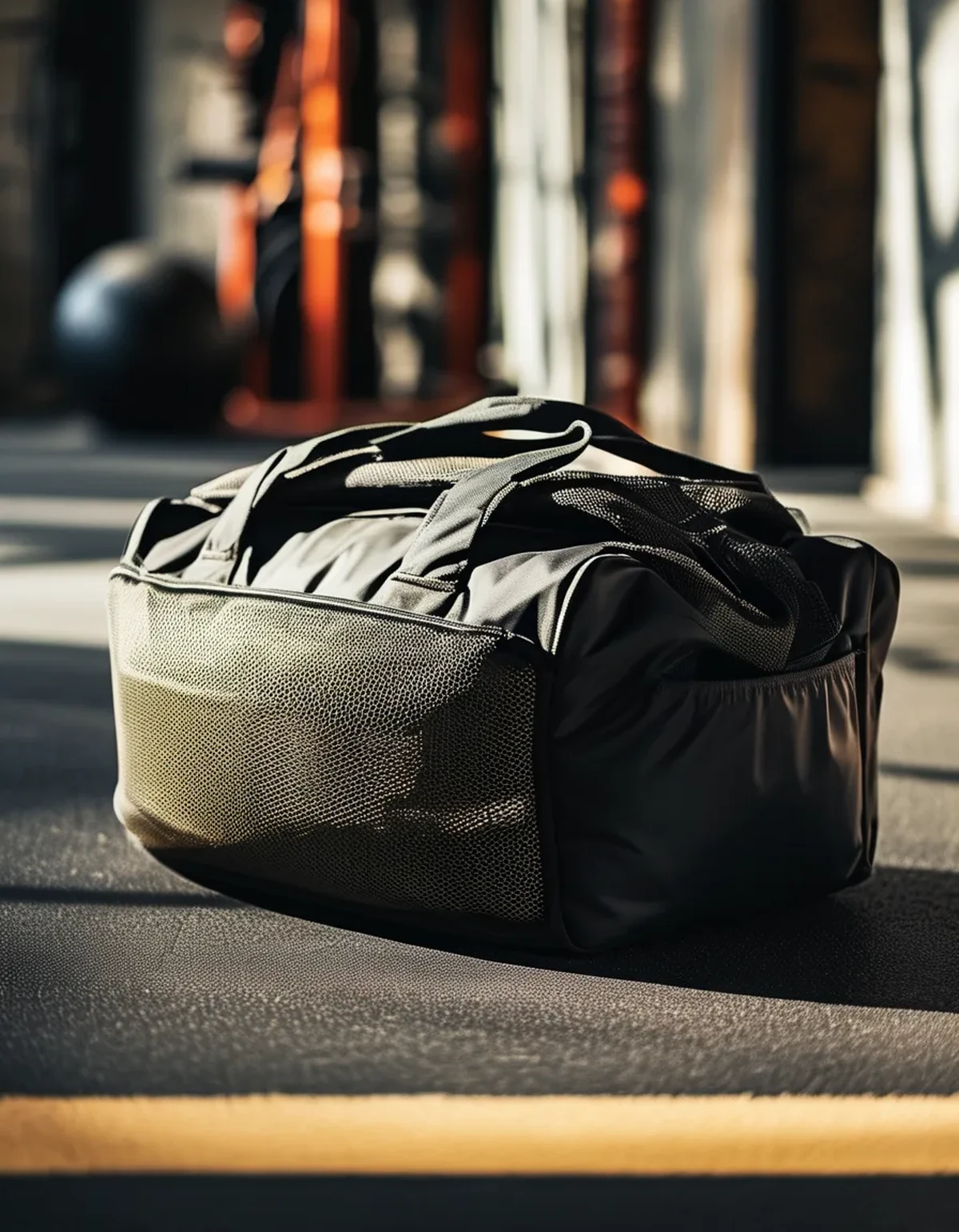
Here’s the part that’s easy to overlook when buying a bag: a bag’s ventilation design matters as much as the exterior fabric for preventing odor buildup in the first place. A bag with sealed, non-breathable interior compartments traps moisture from damp workout clothes or shoes regardless of how good the exterior fabric is, creating the exact bacteria-friendly environment that leads to embedded odor over time.
Bags with dedicated ventilated shoe compartments or mesh interior panels let damp items dry faster between uses, which prevents the odor problem from accumulating rather than needing to fix it after the fact.
What should you actually look for when choosing a gym bag?
- Looser-weave or specifically odor-resistant treated fabrics over tightly-woven synthetic materials
- Ventilated or mesh compartments, especially for a dedicated shoe pocket separate from clean gear
- Removable, washable liners if available, since these can be cleaned more thoroughly than a bag with a fixed interior
- Avoiding fully sealed, non-breathable bags marketed primarily on water resistance, since that same sealing traps moisture and odor inside just as effectively as it keeps rain out
FAQ: Gym Bag Odor and Material Questions, Answered
Are leather or canvas gym bags better for odor than synthetic ones?
Generally yes for odor specifically, since natural fibers tend to trap bacteria less deeply than some tightly-woven synthetics, though they often lack water resistance and can be harder to fully wash.
Does washing frequency matter as much as fabric type?
Both matter — even odor-prone fabric stays more manageable with frequent washing (after every few uses rather than monthly), but fabric type sets a ceiling on how effectively any washing routine can fully resolve embedded odor.
Is it ever worth replacing a bag instead of continuing to treat odor?
If odor persists strongly after multiple enzyme soaks, sun exposure, and thorough washing, that’s a reasonable signal the fabric has reached a point where replacement is more practical than continued treatment.
TL;DR:
- Densely woven synthetic fabrics trap bacteria deeper than washing typically reaches, unlike more breathable materials
- Enzyme soaks, sun exposure, and baking soda all help address odor that’s already embedded
- Ventilation design (mesh panels, separate shoe compartments) prevents buildup in the first place
- Persistent odor after multiple treatment attempts is a reasonable signal the bag itself needs replacing
See It in Motion
Seen here: High Waist Jogger Sweatpants with Pockets — shop it on bubblelime.com
Keep Reading
This article is for general informational and styling purposes only. Fit, sizing, and product availability may vary.