The Gym Bag Material Difference Nobody Explains Until You've Ruined Two Bags
Most gym bag shopping starts and ends with style, but material is what actually determines whether the bag survives six months of sweat, damp gear, and repeated washing. Two bags that look identical in the store can perform completely differently after a few weeks of real use.

Why Material Gets Overlooked
The blind spot: the the-store-lighting-problem (gym bags looking similar under store lighting regardless of actual fabric quality, which is why material differences only become obvious after real use), the the-canvas-vs-synthetic-confusion (canvas and cotton-blend bags looking sturdier but actually absorbing moisture and odor far more than synthetic options, the opposite of what the fabric weight suggests), the the-hardware-failure-point (zippers and straps failing before the main fabric does in cheaper bags, meaning material assessment has to include hardware, not just the panel fabric).
What Actually Holds Up
The materials that work: the the-ripstop-nylon-durability (ripstop nylon resisting tears and moisture significantly better than canvas while staying lightweight, making it a common choice in bags built for repeated gym use), the the-water-resistant-coating-detail (a water-resistant or coated interior lining being what actually prevents damp gear from soaking through to the rest of the bag’s contents, not the outer fabric), the the-mesh-ventilation-tradeoff (mesh panels improving airflow and reducing odor buildup, at the cost of some water resistance, which is a reasonable trade for anyone who empties the bag daily).
What to Avoid
The materials that fail: the the-untreated-canvas-warning (untreated canvas or cotton blends being the most likely to hold odor permanently after repeated damp-gear exposure, even with regular washing), the the-cheap-zipper-tell (plastic zipper teeth on a budget bag typically failing well before the fabric does, making zipper quality a useful proxy for overall build quality), and the frame (coated ripstop nylon with real ventilation is the material combination that actually survives frequent gym use)).
Gym bag shopping tends to focus entirely on style, but the material is what actually decides whether a bag survives repeated exposure to sweat, damp gear, and frequent washing — two bags that look nearly identical in the store can perform completely differently a few months in. Canvas and cotton-blend bags look sturdier but actually absorb moisture and odor more than synthetic options, while coated ripstop nylon resists tears and dampness while staying light, and a water-resistant interior lining is what actually keeps damp gear from soaking through to everything else in the bag. Zipper quality is a useful shortcut for overall build quality, since cheap plastic teeth tend to fail well before the fabric does. The Gym Bag Material Difference Nobody Explains Until You’ve Ruined Two Bags comes down to coated synthetic fabric and real ventilation over canvas that only looks tougher.
See It in Motion
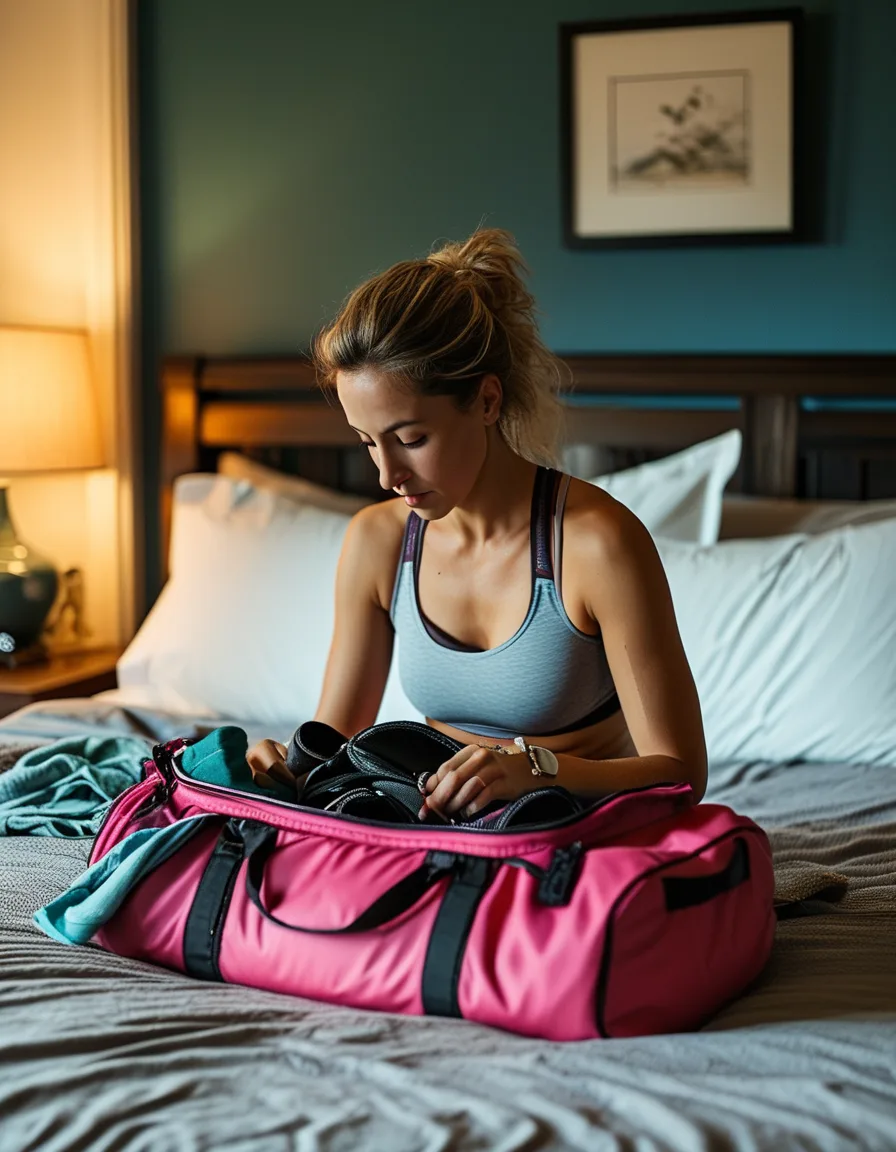
Seen here: Racerback Tank Top - White — shop similar styles on bubblelime.com
Keep Reading
This article is for general informational and styling purposes only. Fit, sizing, and product availability may vary.