The Gym Bag Compartment Mistake That's Quietly Growing Mildew
Quick Answer: Sealed, zipped compartments trap moisture from wet shoes or towels with zero airflow — the exact condition mildew needs. Leaving one compartment partially unzipped, or using a breathable mesh bag inside, solves it without losing organization.
You did the responsible thing — zipped the wet shoes into their own compartment so they wouldn’t touch your clean clothes. Except that sealed compartment is now a small, dark, humid box, which is precisely what mildew is looking for.
Why do zippered shoe compartments grow mildew so fast?
A fully sealed compartment blocks the airflow that would otherwise let dampness evaporate — trapped moisture at roughly body-bag temperature inside a dark zipped pocket creates near-ideal mildew conditions within just a day or two of repeated use.
Is it just shoes, or does this happen with other items?
Any damp item sealed away — a used towel, a rolled-up sweaty shirt, a wet swimsuit — creates the same problem. Shoes are the most common culprit simply because they’re bulkier and slower to dry than fabric.
What’s the actual fix without giving up organized compartments?
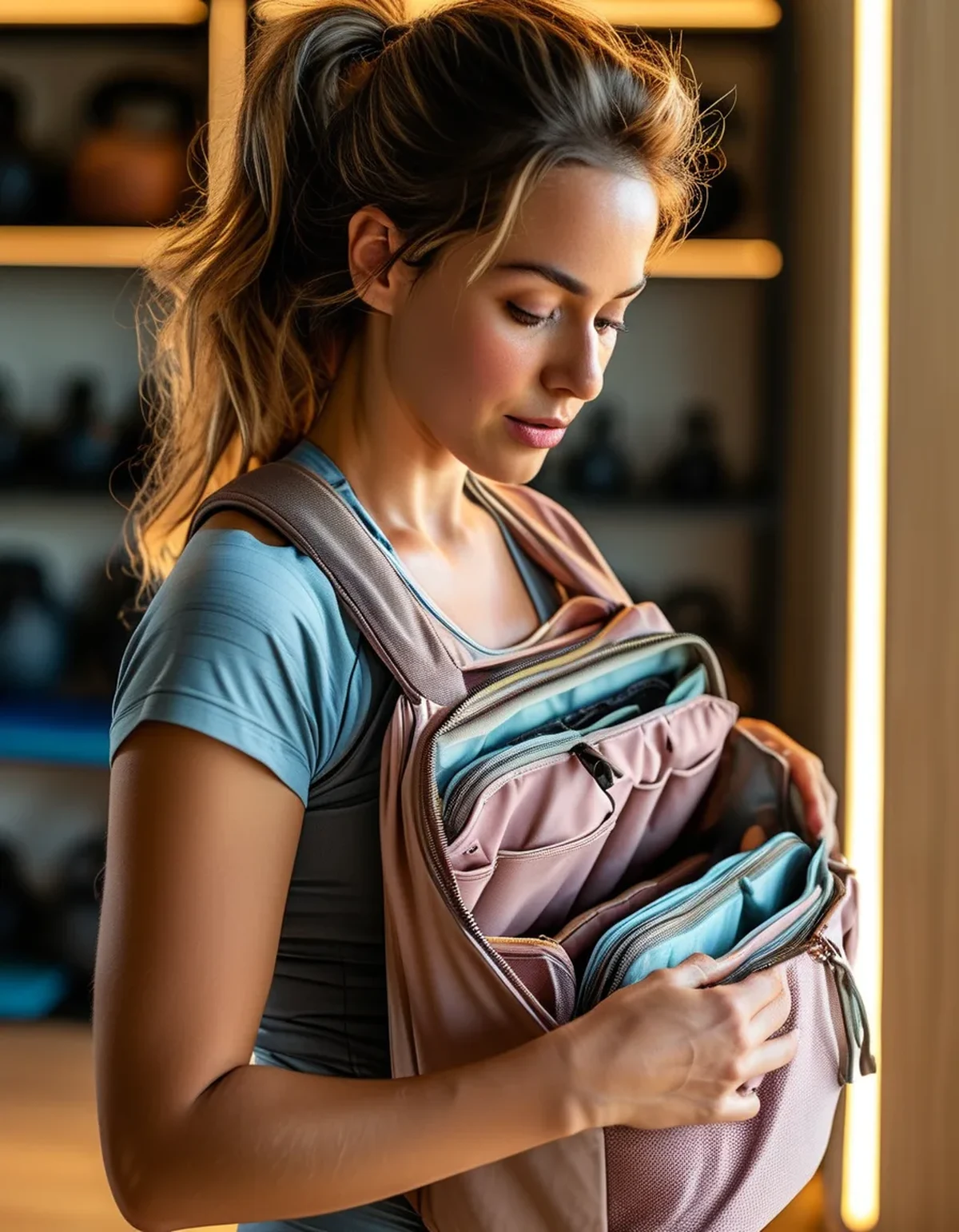
Use a breathable mesh bag inside the compartment instead of sealing directly against the fabric lining — mesh allows airflow while still keeping wet items separated from clean ones. If mesh isn’t available, leaving the compartment zipper cracked slightly for the walk home makes a real difference.
Myth vs Fact: Gym Bag Mildew
Myth: A bag that doesn’t smell yet doesn’t have a mildew problem. Fact: Mildew growth typically precedes noticeable odor by a day or more — by the time you smell it, it’s already established in the fabric lining.
Myth: Any dedicated shoe compartment is safe as long as it’s separate. Fact: Separation prevents cross-contamination with clean items, but doesn’t prevent mildew growth inside the compartment itself — that’s about airflow, not separation.
Myth: Febreze or spray deodorizers solve the root problem. Fact: They mask odor temporarily but do nothing to address the moisture and lack of airflow actually causing mildew to grow.
FAQ: Gym Bag Mildew Questions, Answered
How often should I fully empty and air out my gym bag?
At least once a week for regular gym-goers — even with good habits, compartments benefit from a full open-air dry-out periodically.
Can I put wet workout clothes directly in a mesh bag inside my gym bag?
Yes — that’s exactly what mesh bags are for; the airflow prevents the sealed-moisture problem while still keeping items contained and separate.
Does leaving my gym bag open at home actually help?
Yes — a fully open bag dries out compartments and linings far faster than one left even loosely zipped, which matters most after a heavy sweat session.
TL;DR:
- Sealed compartments trap moisture — the exact condition mildew needs
- Mildew often grows before it’s noticeably smelly
- Use a breathable mesh bag inside compartments, not a direct seal
- Air out the full bag weekly, not just the smelly parts
Organization and airflow aren’t opposites — a mesh bag gets you both.
See It in Motion
Seen here: Super High Waist Embossed Yoga Leggings with Inner Pocket — shop it on bubblelime.com
Keep Reading
This article is for general informational and styling purposes only. Fit, sizing, and product availability may vary.